Building Community Resilience: Food Vision 2050 Project
- info922565
- Jul 24, 2025
- 5 min read
In a world that is constantly changing, the need for community resilience has never been more important. As we look toward the future, the Food Vision 2050 Project stands out as a beacon of hope and innovation. This initiative aims to create sustainable food systems that not only nourish our bodies but also strengthen our communities.
The Food Vision 2050 Project is about more than just food. It is about building connections, fostering collaboration, and ensuring that everyone has access to healthy, nutritious meals. In this blog post, we will explore the key components of this project, its goals, and how it can help communities thrive in the face of challenges.
Understanding Community Resilience
Community resilience refers to the ability of a community to withstand and recover from adverse situations. This can include natural disasters, economic downturns, or health crises. A resilient community is one that can adapt, learn, and grow stronger over time.
Food systems play a crucial role in community resilience. When communities have access to local, sustainable food sources, they are better equipped to handle challenges. This is where the Food Vision 2050 Project comes into play.
The Goals of the Food Vision 2050 Project
The Food Vision 2050 Project has several key goals that aim to transform food systems and enhance community resilience. These goals include:
Promoting Local Food Production: Encouraging communities to grow their own food can reduce reliance on external sources and increase food security.
Enhancing Food Access: Ensuring that everyone has access to healthy food options is vital for community health and well-being.
Fostering Collaboration: Building partnerships between local farmers, businesses, and community organizations can create a more robust food system.
Encouraging Sustainable Practices: Implementing environmentally friendly practices in food production can help protect natural resources for future generations.
Educating the Community: Providing education on nutrition, cooking, and sustainable practices can empower individuals to make informed choices.
Local Food Production: A Key Component
One of the most effective ways to build community resilience is through local food production. When communities grow their own food, they not only gain access to fresh produce but also create a sense of ownership and pride.
Community Gardens
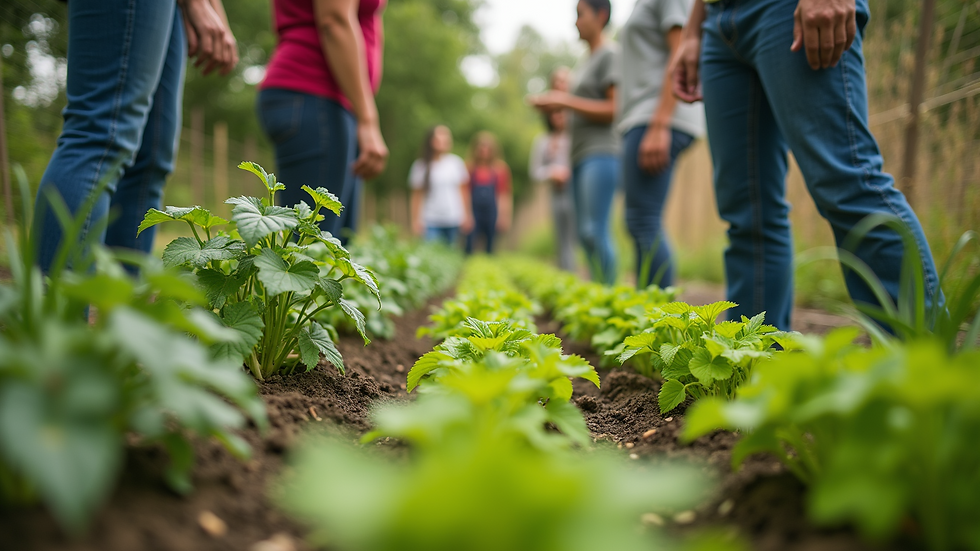
Community gardens are a fantastic way to promote local food production. These gardens bring people together, allowing them to work side by side, share knowledge, and cultivate relationships.
For example, in many urban areas, community gardens have transformed vacant lots into vibrant spaces filled with fruits and vegetables. These gardens not only provide food but also serve as gathering places for neighbors to connect and collaborate.
Urban Farming Initiatives
Urban farming initiatives take local food production a step further. These projects often involve converting rooftops, vacant lots, or even backyards into productive farms.
In cities like Detroit, urban farming has become a movement. Residents are reclaiming abandoned spaces and turning them into thriving farms. This not only provides fresh food but also creates jobs and stimulates the local economy.
Enhancing Food Access
Access to healthy food is a fundamental right. Unfortunately, many communities face barriers that prevent them from obtaining nutritious meals. The Food Vision 2050 Project aims to address these challenges head-on.
Food Pantries and Meal Programs
Food pantries and meal programs play a crucial role in enhancing food access. These initiatives provide immediate relief to those in need, ensuring that no one goes hungry.
For instance, many communities have established mobile food pantries that travel to underserved areas. This approach helps reach individuals who may not have transportation or the means to access traditional food sources.
Farmers' Markets
Farmers' markets are another excellent way to enhance food access. These markets connect local farmers with consumers, making fresh produce available to everyone.
In many areas, farmers' markets accept food assistance benefits, allowing low-income families to purchase fresh fruits and vegetables. This not only supports local farmers but also promotes healthier eating habits.
Fostering Collaboration
Collaboration is at the heart of the Food Vision 2050 Project. By bringing together various stakeholders, communities can create a more resilient food system.
Partnerships with Local Businesses
Local businesses can play a significant role in supporting community food initiatives. By partnering with farmers and food producers, businesses can source local ingredients and promote sustainable practices.
For example, some restaurants have started to feature dishes made from locally sourced ingredients. This not only supports local farmers but also encourages customers to appreciate the value of fresh, seasonal produce.
Engaging Community Organizations
Community organizations are essential partners in building resilience. These organizations often have established networks and resources that can be leveraged to support food initiatives.
For instance, local nonprofits can provide education and training programs on gardening, cooking, and nutrition. By working together, these organizations can create a comprehensive approach to food security.
Encouraging Sustainable Practices
Sustainability is a key focus of the Food Vision 2050 Project. By promoting environmentally friendly practices, communities can protect their natural resources and ensure a healthy future.
Organic Farming
Organic farming practices are an excellent way to promote sustainability. These methods prioritize soil health, biodiversity, and the use of natural resources.
Communities that embrace organic farming can reduce their reliance on chemical fertilizers and pesticides, leading to healthier ecosystems. This approach not only benefits the environment but also produces healthier food for consumers.
Composting and Waste Reduction
Composting is another sustainable practice that can have a significant impact on food systems. By composting food scraps and yard waste, communities can reduce landfill waste and create nutrient-rich soil for gardens.
Many communities have implemented composting programs that educate residents on how to compost effectively. This not only reduces waste but also promotes a circular economy where resources are reused and recycled.
Educating the Community
Education is a powerful tool for building community resilience. By providing individuals with the knowledge and skills they need, communities can empower their members to make informed choices.
Nutrition Education
Nutrition education programs can help individuals understand the importance of healthy eating. These programs often include cooking classes, meal planning workshops, and information on local food resources.
For example, some communities have established cooking classes that teach participants how to prepare healthy meals using local ingredients. This not only promotes healthier eating habits but also fosters a sense of community.
Gardening Workshops
Gardening workshops are another effective way to educate the community. These workshops can teach individuals how to grow their own food, regardless of their living situation.
In many areas, community organizations offer free gardening workshops that cover topics such as soil preparation, planting techniques, and pest management. This hands-on approach empowers individuals to take control of their food sources.
The Impact of the Food Vision 2050 Project
The Food Vision 2050 Project has the potential to create lasting change in communities. By focusing on local food production, enhancing food access, fostering collaboration, encouraging sustainable practices, and providing education, this initiative can build resilience and improve the quality of life for all.
Success Stories
Many communities have already begun to see the positive impact of the Food Vision 2050 Project. For instance, in a small town in California, a community garden initiative has transformed a neglected park into a thriving space for growing food.
Residents have come together to cultivate the garden, share resources, and host events. This project has not only provided fresh produce but has also strengthened community bonds.
Looking Ahead
As we look toward the future, the Food Vision 2050 Project offers a roadmap for building resilient communities. By prioritizing local food systems and fostering collaboration, we can create a healthier, more sustainable world for generations to come.

In a time of uncertainty, the Food Vision 2050 Project shines a light on the power of community. By coming together, we can create a future where everyone has access to healthy food, and communities are stronger than ever.
Let us embrace this vision and work together to build a resilient future. The journey may be long, but the rewards will be worth it. Together, we can cultivate a world where food nourishes not just our bodies, but our communities as well.

Comments