Sustainable Urban Agriculture: Food Vision 2050 Initiative
- info922565
- Jul 24, 2025
- 5 min read
Urban agriculture is more than just a trend; it is a movement that is reshaping how we think about food production in cities. As we look toward the future, the Food Vision 2050 initiative aims to create a sustainable food system that benefits both urban dwellers and the environment. This blog post will explore the key components of this initiative, its importance, and how it can transform our cities into greener, healthier places.
Urban areas are often seen as concrete jungles, but they can also be vibrant ecosystems. The Food Vision 2050 initiative encourages cities to integrate agriculture into their landscapes. This means growing food in parks, on rooftops, and even in community gardens. By doing so, we can reduce our carbon footprint, improve food security, and foster community connections.
The Importance of Sustainable Urban Agriculture
Sustainable urban agriculture is crucial for several reasons. First, it helps address food insecurity. Many urban areas lack access to fresh produce, leading to health issues. By growing food locally, we can ensure that everyone has access to nutritious options.
Second, urban agriculture can reduce transportation emissions. When food is grown closer to where it is consumed, it does not need to be transported long distances. This not only cuts down on greenhouse gas emissions but also ensures that food is fresher when it reaches consumers.
Lastly, urban agriculture promotes biodiversity. By incorporating green spaces into cities, we can create habitats for various species. This is essential for maintaining ecological balance and enhancing the overall health of urban environments.
Key Components of the Food Vision 2050 Initiative
The Food Vision 2050 initiative is built on several key components that work together to create a sustainable food system. These components include:
1. Community Engagement
Engaging the community is vital for the success of urban agriculture. Local residents should be involved in planning and decision-making processes. This ensures that the agricultural projects meet the needs of the community and fosters a sense of ownership.
2. Education and Training
Education is a cornerstone of the Food Vision 2050 initiative. Providing training on sustainable farming practices can empower individuals to grow their own food. Workshops, classes, and hands-on experiences can help people learn about gardening, composting, and other essential skills.
3. Policy Support
Supportive policies are necessary to facilitate urban agriculture. Local governments can create zoning laws that allow for community gardens and urban farms. They can also provide grants and incentives for individuals and organizations that want to start agricultural projects.
4. Infrastructure Development
Investing in infrastructure is crucial for the success of urban agriculture. This includes creating spaces for growing food, such as community gardens and rooftop farms. Additionally, access to water and resources is essential for maintaining these projects.
5. Collaboration
Collaboration among various stakeholders is key to achieving the goals of the Food Vision 2050 initiative. This includes partnerships between local governments, non-profits, businesses, and community members. Working together can lead to innovative solutions and shared resources.
Examples of Successful Urban Agriculture Projects
Several cities around the world have embraced urban agriculture and seen positive results. Here are a few inspiring examples:
Detroit, Michigan
Detroit has become a leader in urban agriculture. The city has transformed vacant lots into community gardens and urban farms. Organizations like the Detroit Black Community Food Security Network have played a significant role in promoting food sovereignty and access to fresh produce.
Singapore
Singapore is known for its innovative approach to urban agriculture. The city-state has implemented vertical farms and rooftop gardens to maximize space. These initiatives not only provide fresh food but also contribute to the city’s green landscape.
Toronto, Canada
Toronto has a thriving urban agriculture scene, with numerous community gardens and urban farms. The city has also developed policies to support these initiatives, making it easier for residents to grow their own food. Programs like the Toronto Urban Growers network connect individuals and organizations involved in urban agriculture.
Challenges Facing Urban Agriculture
While urban agriculture has many benefits, it also faces challenges. Some of these challenges include:
1. Limited Space
In densely populated cities, finding space for agriculture can be difficult. Creative solutions, such as vertical farming and rooftop gardens, can help maximize available space.
2. Soil Contamination
Many urban areas have contaminated soil, which can pose risks to food safety. Testing and remediation efforts are essential to ensure that the soil is safe for growing food.
3. Access to Resources
Access to water, seeds, and other resources can be a barrier for urban farmers. Community initiatives can help provide these resources and support local growers.
4. Climate Change
Climate change poses a significant threat to agriculture, including urban farming. Extreme weather events can disrupt growing seasons and affect food production. Resilient practices and adaptive strategies are necessary to mitigate these impacts.
The Future of Urban Agriculture
As we look toward 2050, the potential for urban agriculture is immense. With the right support and resources, cities can become hubs of sustainable food production. The Food Vision 2050 initiative provides a roadmap for achieving this vision.
1. Technological Innovations
Advancements in technology can enhance urban agriculture. Innovations such as hydroponics, aquaponics, and smart farming techniques can increase efficiency and yield. These technologies can help urban farmers grow food in limited spaces and challenging conditions.
2. Increased Awareness
Raising awareness about the benefits of urban agriculture is essential. Educational campaigns can inform residents about the importance of local food systems and encourage participation in community gardening initiatives.
3. Strengthening Local Economies
Urban agriculture can contribute to local economies by creating jobs and supporting small businesses. Farmers' markets and local food cooperatives can provide opportunities for entrepreneurs and promote economic resilience.
4. Building Community Resilience
Urban agriculture fosters community connections and resilience. By working together to grow food, residents can build relationships and strengthen their neighborhoods. This sense of community can be vital in times of crisis.
A Call to Action
The Food Vision 2050 initiative is an exciting opportunity for cities to embrace sustainable urban agriculture. Everyone can play a role in this movement, whether by starting a community garden, supporting local farmers, or advocating for policies that promote urban agriculture.
As we move forward, let us envision a future where cities are not just places to live but also thriving ecosystems that nourish both people and the planet. Together, we can create a sustainable food system that benefits everyone.
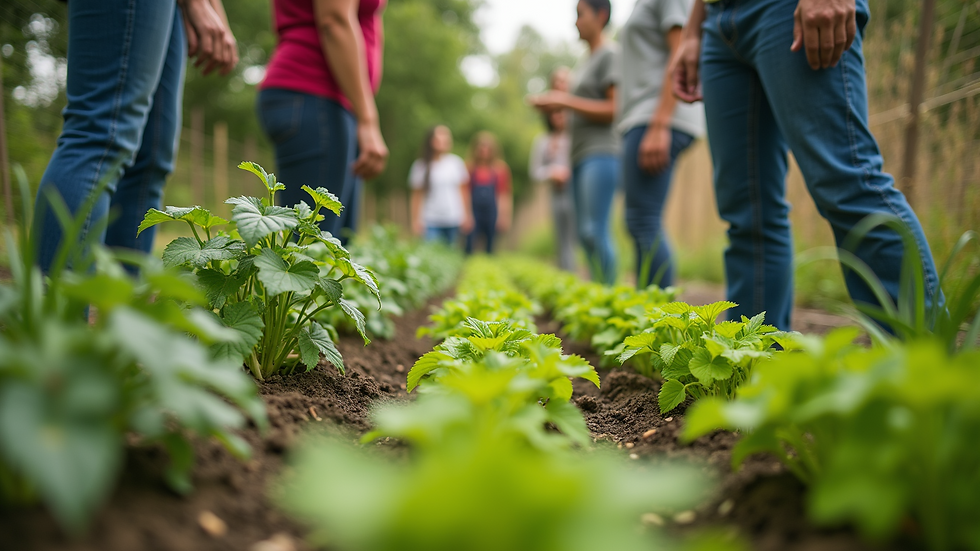
Urban agriculture is not just about growing food; it is about cultivating community, sustainability, and resilience. The Food Vision 2050 initiative offers a pathway to a greener, healthier future. Let us embrace this vision and work together to transform our cities into sustainable food hubs.


Comments